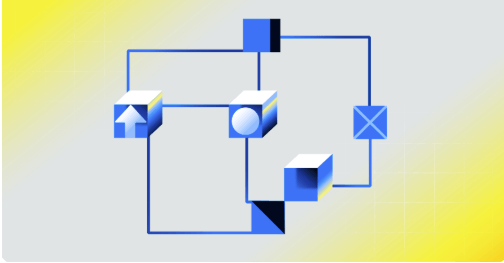
Nodes underpin blockchain networks by storing, validating, and relaying transactions and blocks, maintaining decentralized trust. They enforce cryptographic rules, propagate state changes, and support governance processes. Different node types balance verification depth, data requirements, and historical access to meet scalability and security needs. Governance, consensus, and peer networking shape topology and upgrade paths. The interplay of identity, synchronization, and resilience determines practical limits and recovery scenarios, inviting further exploration into how these elements cooperate under pressure.
What Nodes Are and Why They Matter in Blockchain
Nodes are the fundamental agents of a blockchain network, serving as the distributed endpoints that store, verify, and relay transactions and blocks. They orchestrate decentralized trust, sustain open participation, and enable resilient consensus. Each node embodies autonomy and continuity, guiding governance through transparent operations. Critical functions include node maintenance and protocol upgrades, ensuring scalability, interoperability, and freedom to evolve without centralized control.
How Nodes Validate and Relay Transactions
Transactions are validated and relayed through a coordinated sequence of cryptographic checks, state updates, and network propagation mechanisms that collectively preserve protocol integrity.
Nodes verify transactions against consensus rules, detect edge cases, and prune invalid data.
They propagate blocks efficiently and synchronize states, balancing latency and energy efficiency.
The process embodies a rigorous yet aspirational framework for scalable, secure, and freedom-minded digital trust.
Node Types and Their Roles in Scalability and Security
In distributed networks, distinct node archetypes contribute to scalability and security by specializing capabilities and managing resource trade-offs. Node types—full, light, and archival—balance verification, storage, and bandwidth, shaping throughput and resilience.
Edge case examination highlights failure modes and recovery pathways, while governance pitfalls influence upgrade paths and interoperability.
Their coordinated operation enables robust consensus, modular scalability, and adaptable defense against malicious exploits.
Governance, Consensus, and Networking Between Nodes
Governance, consensus mechanisms, and inter-node networking form the core orchestration layer that translates individual node capabilities into a coherent blockchain infrastructure. This analysis evaluates blockchain governance, node identity, and network topology for resilience, while identifying consensus challenges, scalability traps, and interoperability strategies.
Networking best practices, security auditing, and transparent governance enable scalable, interoperable systems aligned with freedom-minded, visionary engineering.
Frequently Asked Questions
How Do Nodes Impact Energy Consumption in Networks?
Nodes influence energy consumption through consensus dynamics, shaping energy optimization and hardware efficiency; archival storage requirements add long-tail cost. This analytical perspective envisions scalable networks where efficient hardware and protocols empower freedom while balancing environmental impact.
Can a Single Node Crash Affect the Entire Blockchain?
A single node crash does not derail the blockchain; due to consensus mechanisms and redundancy, node reliability supports continued operation. This framework enhances network resilience, enabling visionary, analytical independence while preserving decentralized freedom and system integrity.
What Criteria Determine Node Trustworthiness?
Trustworthy topology hinges on transparent trust metrics, plus relentless uptime reliability; criteria include tamper-evident histories, validated participation, consensus alignment, and disciplined node behavior. The analysis favors freedom-minded architectures, fostering robust, auditable, self-regulating networks.
See also: The Future of Space Technology
How Do Nodes Handle Network Partitions and Data Gaps?
Nodes achieve partition resilience by maintaining locally cached ledgers and pursuing eventual consistency; when partitions occur, data synchronization resumes automatically, ensuring cross-node convergence once connectivity restores, preserving integrity despite temporary gaps and enabling a resilient, freedom-oriented network.
Are There Legal Implications for Node Operators?
Yes, legal implications exist; operators face legal compliance, regulatory reporting, and liability considerations, as well as operational risk management. The technical vision seeks scalable governance, transparent audits, and freedom-oriented frameworks that align incentives with compliant, resilient blockchain network activity.
Conclusion
In the crucible of distributed trust, nodes orchestrate a quiet, relentless validation that underpins immutable, global networks. They relay, verify, and archive—turning individual hardware into a cohesive security fabric. This symphony, powered by governance, consensus, and interoperable networking, scales with demand while preserving transparency. Like architects drafting resilient digital cities, nodes illuminate a future where decentralized trust becomes foundational infrastructure, enabling seamless collaboration, robust resilience, and continual evolution across interconnected ecosystems.