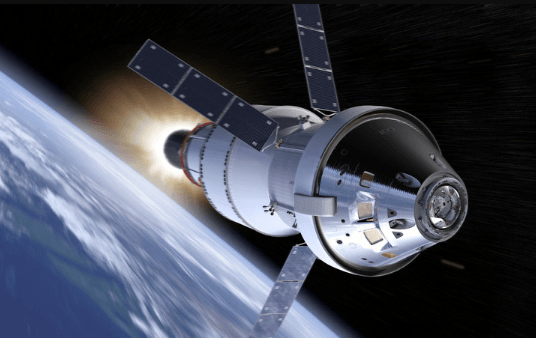
The future of space innovation will hinge on integrated propulsion, autonomous operations, and resilient communications. Modular designs and data-driven decision making will sharpen mission cadences. Lunar logistics and diversified funding will expand infrastructure and partnerships. A robust policy framework with interoperable standards will sustain collaboration across sectors. These elements promise broader access and sustainable growth, yet critical questions remain about risk, governance, and long-term capabilities that demand careful scrutiny. The next steps invite a rigorous, collective effort.
The Current State of Space Innovation: What’s Changing Right Now
The current phase of space innovation is defined by rapid consolidation, modular approaches, and data-driven decision making. Industry momentum centers on private funding and streamlined partnerships, accelerating mission design and risk sharing. Lunar logistics emerge as a focal point, shaping infrastructure and cadence for sustained activity. This evolution supports autonomous operations, competitive markets, and broader access, empowering entrepreneurs while preserving disciplined stewardship and safety.
Key Technologies Driving the Next Decade of Space
As private funding accelerates, the next decade will hinge on integrated propulsion, autonomous operations, and resilient communication networks that sustain rapid, safe activity across Earth, LEO, and beyond.
The focus centers on civic astronomy applications, autonomous propulsion advancements, and planetary defense measures, enabling scalable exploration, resilient infrastructure, and proactive threat mitigation within a connected, freedom-embracing spacefaring society.
People, Policy, and Partnerships: Aligning Stakeholders for Growth
People, policy, and partnerships will determine the pace and sustainability of space growth as stakeholders across government, industry, academia, and civil society align incentives, standards, and accountability. Policy alignment emerges as a cornerstone for shared governance, reducing friction and enabling rapid progress. Through deliberate stakeholder collaboration, interoperable frameworks foster innovation, resilience, and responsible exploration, aligning interests toward enduring, freedom-centered expansion beyond Earth.
Evaluating Risks and Opportunities: How to Navigate the Final Frontier
Assessing risks and opportunities in space demands a disciplined framework that quantifies technical, economic, and geopolitical uncertainties while identifying high-value pathways for progress.
The discourse emphasizes risk management, diversified funding models, and sustainability as core pillars guiding mission planning.
Frequently Asked Questions
How Will Space Tourism Shape Long-Term Economic Growth?
Space tourism could spur economic growth by accelerating technology transfer, capital investment, and diverse new markets, while expanding high-skilled employment and regional development; long-term benefits depend on sustainable governance, safety frameworks, and inclusive access for broader participation.
When Will In-Space Manufacturing Become Commercially Viable?
In-space manufacturing could become commercially viable within the 2030s, driven by scalable microgravity production and orbital logistics. Educational policy and space colonialism debates shape investment, regulation, and innovation, guiding equitable access while preserving individual freedom and responsible exploration.
What Ethical Considerations Govern Autonomous Space Exploration?
Autonomous space exploration must balance safety, accountability, and planetary stewardship; for example, a rover mission demonstrates decision transparency under oversight. Privacy concerns and data ownership challenge operators, researchers, and nations as autonomous systems gather and transmit sensitive telemetry across jurisdictions.
Who Owns and Governs Discoveries on International Space Habitats?
Ownership governance of international space habitats remains unsettled; nations and organizations pursue cooperative frameworks. Discovery rights management requires transparent multilateral processes, stewardship obligations, and clear allocation mechanisms, ensuring equitable access while incentivizing innovation for a freedom-seeking, forward-looking era.
See also: wifispc
How Will Space Traffic Management Evolve in Crowded Orbits?
Space traffic management will evolve toward robust orbital coordination and proactive debris mitigation, harmonizing international standards, autonomous tracking, and layered risk protocols to enable safer, scalable access while preserving freedom to explore crowded orbits.
Conclusion
The next era of space innovation will unfold through integrated propulsion, autonomous operations, and resilient communications, underpinned by modular design and data-driven decisions. As stakeholders align policy, standards, and partnerships, risk is managed and opportunities scale. The journey resembles a careful, interstellar relay race: each segment hands the baton to the next with precision and trust, propelling humanity toward deeper, more sustainable access to the cosmos.