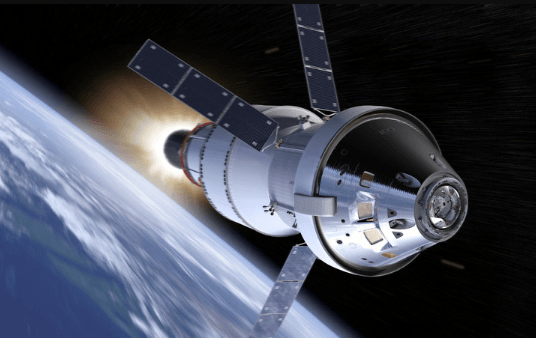
The future of space technology hinges on rapid progress, broader participation, and smarter governance. Reusable systems, propulsion breakthroughs, and smart autonomy promise shorter timelines and fewer Earthbound checks. In-orbit habitats, health-focused life support, and long-duration psychology shape crew resilience. Markets, regulation, and collaboration will steer risk, standards, and opportunity. As international norms evolve, new pathways from science to commerce emerge, inviting scrutiny and experimentation alike—with consequences that extend well beyond the launch pad.
What Is Driving the Next Space Era
The next space era is being propelled by a convergence of rapid technological advances, expanding commercial interest, and evolving national and international collaboration. A detached observer notes how space debris raises risk management demands, while orbital slotting reshapes access priorities. Innovation cycles accelerate, regulatory frameworks evolve, and cross-border partnerships emerge, balancing freedom with responsibility, enabling resilient, accessible, and forward-thinking exploration beyond traditional boundaries.
Reusables, Propulsion, and Smart Autonomy: Core Technologies
Reusables, propulsion, and smart autonomy constitute the core technologies redefining space operations: by enabling rapid turnaround, higher specific impulse, and autonomous decision-making, these elements collectively shrink mission timelines and expand access to cislunar and beyond.
Reusable propulsion architectures enable frequent launch cycles, while autonomous systems optimize on-orbit operations, fault isolation, and trajectory adjustments, guiding resilient missions with reduced human oversight and increased operational freedom.
Humans in Space: Habitats, Health, and Governance
Building on advances in reusable propulsion, autonomous operations, and rapid turnaround, attention shifts to humans living and working beyond Earth. This topic examines habitat design and crew health within closed-loop systems, emphasizing resilience, EVA safety, and long-duration psychology. Governance models emerge through international collaboration, balancing sovereignty with shared standards, data, and ethics. Curious, technical, forward-looking governance fosters freedom and responsible exploration.
From Science to Commerce: Markets, Regulation, and Collaboration
What pathways connect scientific discovery to commercial impact in space—markets, regulation, and collaboration—when low-Earth orbit becomes a shared economic frontier?
Detachment anchors analysis: organisms of exchange emerge as market structure shapes access, pricing, and competition, while regulatory hurdles define safety, spectrum, and liability frameworks.
Collaboration accelerates standards, while governance evolves, enabling inventive ventures, resilient supply chains, and freedom-driven, forward-looking exploration.
Market structure, regulatory hurdles.
Frequently Asked Questions
How Will Space Technology Affect Everyday Life on Earth?
Space technology will reshape daily life by enabling space travel integration with Earth routines and deploying wearable habitats that monitor health, environmental data, and safety, driving autonomous interfaces, decentralized networks, and enhanced personal freedom through resilient, space-informed solutions.
What Are the Ethics of Commercial Space Monopolies?
Ethics challenges arise around commercial space monopolies, as proponents cite efficiency while critics warn of concentrated influence. The discussion weighs ethics monopolies against corporate sovereignty, exploring safeguards, transparency, and governance to balance innovation with broader freedom and accountability.
Can Space Mining Be Economically Viable Soon?
Space mining profitability remains uncertain; near-term economics depend on technological breakthroughs, commodity values, and scale. The analysis highlights regulatory challenges, cost curves, and risk management, while maintaining an optimistic curiosity about scalable, frontier-enabled opportunities for a freedom-seeking audience.
How Will AI Manage Orbital Traffic and Debris?
AI coordinates orbital traffic through coincidence of sensor feeds and policy, enabling proactive deorbit timing and collision avoidance. It enables satellite onboarding, fosters orbital data sharing, and envisions a curious, technically forward-looking system that supports freedom in space activity.
See also: The Future of Space Innovation
What Career Paths Evolve With Future Space Systems?
Careers in astroengineering expand as space system design advances, enabling interdisciplinary roles in propulsion, autonomy, and habitats. They attract curious engineers seeking freedom, crafting robust, scalable architectures while predicting risks, ethics, and sustainable operations across orbital, lunar, and deep-space environments.
Conclusion
The next space era accelerates as reusables, advanced propulsion, and smart autonomy converge, driving rapid, resilient operations beyond Earth. Habitats, health systems, and governance structures evolve to sustain crews on longer missions while ensuring safety and mental well-being. Markets will mature through clear regulation and collaborative standards, aligning science with commerce. As international partners share risk and insight, the frontier becomes a well-governed, dynamic ecosystem—expanding opportunity at a pace that feels almost miraculous.